
Stockholm
Stockholm is a national capital in Stockholms lan, Sweden, home to 995,574 people.
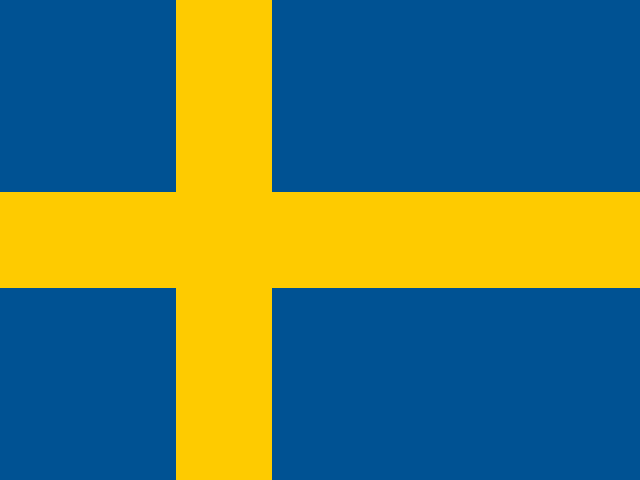 SwedenEurope & Central Asiacty/V18NRBXE61
Power and fragility
Rated on the ten dimensions of the City Power & Fragility Framework, each on a seven-level rubric, and ranked among the cities of the index. The ratings are an AI model's judgements, not measured data.
Stockholm is judged to be rising. Its greatest strengths are Institutions and Infrastructure; it is most fragile on Social and Security.
| Dimension | Power 1 to 7 | Fragility 1 to 7 |
|---|---|---|
| ProsperityEconomy | 5.3High | 1.4Extreme Low |
| Institutions | 5.8Very High | 1.1Extreme Low |
| Urban SystemsInfrastructure | 5.7Very High | 1.4Extreme Low |
| Environment | 5.4High | 1.9Very Low |
| KnowledgeEducation | 5.6Very High | 1.3Extreme Low |
| R&D | 5.4High | 1.5Very Low |
| SocietySocial | 5.6Very High | 2.1Very Low |
| Cultural | 5.2High | 1.4Extreme Low |
| StabilitySecurity | 5.5Very High | 2.0Very Low |
| Conflict | 4.8High | 1.4Extreme Low |
In the index
What the GINC Cities Index holds on this city.
- Described as
- Capital and most populous city of Sweden
- Country
- Sweden
- Division
- Stockholms lan (SE-AB)
- Region
- Europe & Central Asia · Nordic
- Status
- National capital
- Coordinates
- 59.3954° N, 18.6653° E
- Population
- 995,574
- Share of national population
- 9.4%
- Built-up area
- 847 km²
- Estimated median wage
- US$43,503 a year (much higher than the national median of US$37,478)
- GINC identifier
- id.ginc.org/cty/V18NRBXE61
- Wikipedia
- en.wikipedia.org/wiki/Stockholm
Nearest cities
The five cities in the index closest to this one, in a straight line.